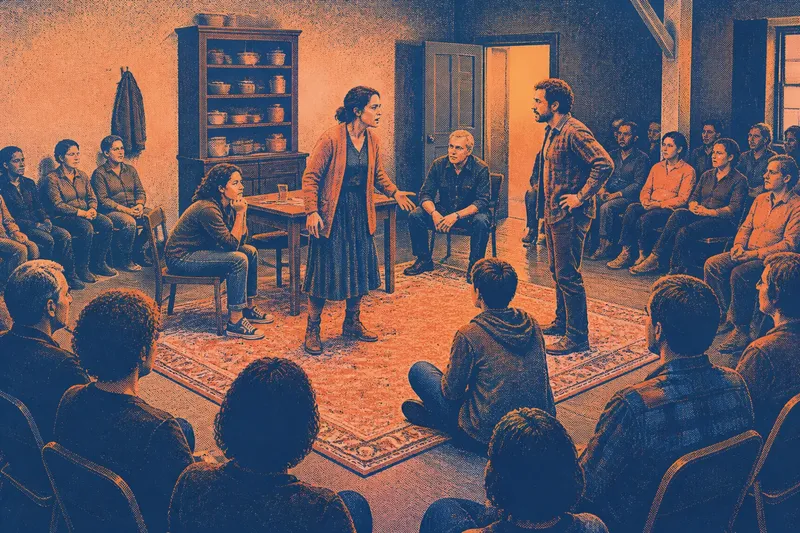
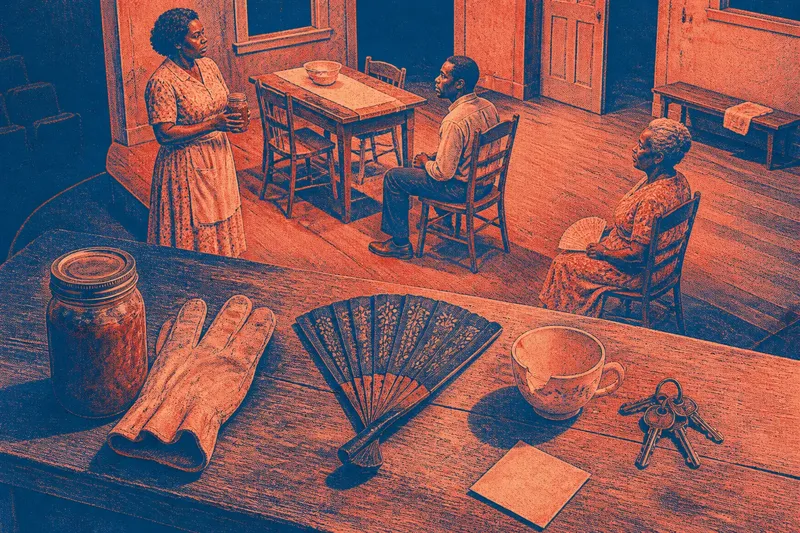
From Traveling Players to Permanent Stages
From traveling players to permanent stages, learn how a settled Southern theatre shapes audience habits, rehearsal choices, and the stories a community revisits.
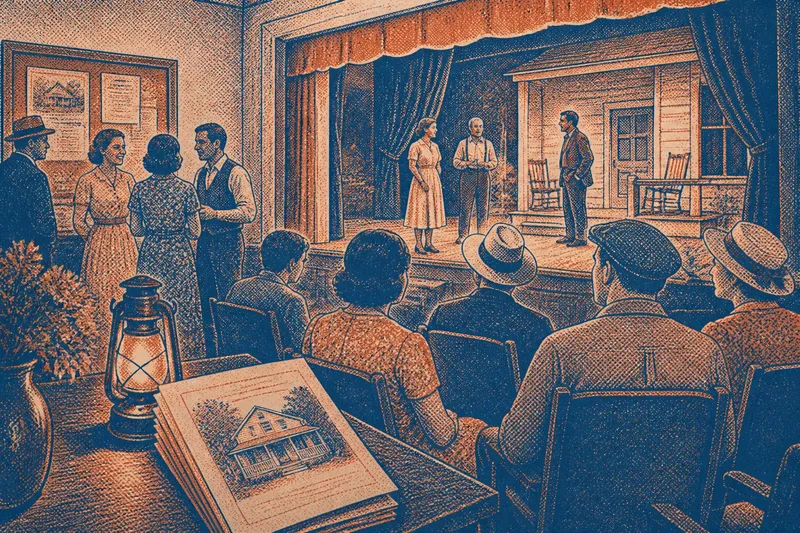
The most common mistake in tracing the move from traveling players to permanent stages is to treat a settled theatre as merely a roof over the same performance. That misses what changes: a familiar room alters how audiences arrive, how performers address them, and what a company can prepare in advance. The shift matters because each room asks for different choices, and a regular address brings responsibilities that a brief visit does not.
There was no single path from touring to settlement across the South. Companies worked in varied circumstances, using whatever stages, halls, or outdoor spaces were available to them. Rather than treating “traveling players” as one uniform historical model, it is more useful to notice the practical contrast: a company on the move must adapt to each host space, while a company based in one venue can return to the same conditions and refine its work there.
How does a permanent stage change the audience’s role?
A visiting company may meet spectators for a particular occasion, then move on. A resident company can encounter some of those spectators again. People may return, bring someone else, recognize the entrance, and compare a new production with one they saw in the same room.
That familiarity can make an audience more attentive, but it can also sharpen expectations. A regular patron may hope for a familiar kind of comedy, a local reference, or the pleasure of being greeted by name. The theatre gains a relationship, not simply a crowd; that relationship needs care when the artistic program changes.
Say a small company begins using a former community hall after performing in borrowed rooms. Its returning patrons settle into familiar seats and chat before the show. The company then schedules a quiet drama instead of the lively comedy some expect, and describes the shift plainly in its program and box-office conversations. The expected observable result is that patrons arrive with a clearer sense of the evening’s tone and have specific aspects of the drama to discuss afterward, rather than judging it only against the previous comedy.
What practical problems follow a company into its new home?
A permanent address can make a company look more settled than it feels. A stage does not automatically solve questions of sound, scheduling, audience expectations, or connection to nearby residents. These concerns are best handled as separate decisions, with the room and the people using it kept in view.
Why can an old performance style feel strained?
A style developed for a noisy hall or temporary outdoor platform may rely on broad gestures, strong projection, and quick scene changes. In a small, quiet room, those choices may feel overstated; in a broad space, they may still help spectators follow the action. In rehearsal, actors can try a scene from different seats in the room, listen for words that disappear, and adjust blocking or delivery while retaining the production’s energy.
How can a company respond to patrons who expect familiar shows?
Familiarity is a gift until it becomes a narrow promise. Describe each production honestly in the program, box-office conversations, and community notices; do not market a drama as if it were the comedy patrons already know. A short post-show conversation can give returning audience members a way to connect a different form to the venue they recognize.
How can a venue feel connected to its town?
Physical location alone does not make a theatre feel culturally rooted. A company can listen at a public library, neighborhood gathering, or local arts event, then ask which stories residents recognize and which they want to see considered. Partnerships and invitations should give people a meaningful way to participate, rather than treating them only as customers expected at curtain time.
How can a permanent schedule remain manageable?
A home venue calls for attention to rehearsals, room access, maintenance, staffing, and community use, as well as performances. Before adding dates, the company can map when the room and its available workers are actually free. A season with breathing room may be more workable than a calendar that leaves people unable to prepare or rest.
How can a theatre make its room feel shared?
Attachment often grows through repeated, specific choices: a clear welcome at the door, a program that introduces the play without overexplaining it, and time for conversation after the performance. These gestures do not need to be elaborate. They should fit the production and feel consistent from one visit to the next.
In a Southern town, a script might turn on the sound of a front-porch conversation, a county road familiar to local residents, or a joke whose timing depends on regional speech. A company can invite a local playwright to shape such material, ask a neighborhood group to join a post-show discussion, or include a simple map in the program when place names matter to the story. Those choices give audiences something concrete to recognize without suggesting that every production must represent the entire region.
Care also means knowing when not to claim a community’s story as the company’s own. If artists are working with experiences they do not share, they can make space for collaboration and listen to the people whose lives the material touches. A returning audience may notice whether that care continues beyond a single announcement or event.
What should you notice when comparing traveling players and permanent stages?
- Audience pattern: If people return and bring new companions, then the company can build on an ongoing relationship; if attendance centers on a single occasion, then it can make each visit welcoming without assuming familiarity.
- Room and performance style: If words or faces are hard to follow from seats, then adjust sound, blocking, or sightlines; if the action already reads clearly, then preserve the choices that suit the production.
- Local participation: If residents contribute to conversations or creative work, then keep those invitations specific and reciprocal; if participation is limited, then ask what would make taking part more accessible before adding another event.
- Schedule and capacity: If rehearsal, staffing, and room use conflict, then reduce or rearrange commitments; if the calendar is workable, then protect the time needed to prepare each production.
- Room for new forms: If patrons expect only familiar work, then explain an unfamiliar production clearly and invite response; if audiences already welcome varied forms, then keep programming with enough range to sustain that openness.
- Story ownership: If a production draws on experiences artists do not share, then build in listening and collaboration; if it draws on the company’s own experience, then still consider who else may be affected by its portrayal.
What do readers ask about traveling players and permanent stages?
Did permanent theatres replace traveling companies?
No single change applied everywhere. Touring performers and established venues can coexist, and a company based in one place may still travel. The distinction describes different working arrangements, not a universal handoff from one form to another.
Why might a settled venue matter to performers?
A regular room lets artists rehearse and make choices for a known stage. It also brings practical duties, such as coordinating access, maintaining the space, and planning a season.
How can a permanent stage shape local storytelling?
A company that returns to the same community can revisit local characters, speech, and concerns across productions. That continuity offers room for different stories to speak to one another, while asking artists to remain attentive to the people and places they depict.
Can a permanent theatre still feel spontaneous?
Yes. A dependable room does not make performances predictable. Spontaneity can come from lively acting, audience exchange, or a production that makes familiar surroundings feel newly seen.
When searching for how traveling players became permanent stages, look beyond the building itself. Notice who returns, what the room makes possible, and how a company responds when its work meets familiar neighbors. Those practical details show how a theatre’s relationship with its community can change without claiming that every Southern town followed the same path.